
How to Save Instagram Videos: The Complete Guide for 2025
You see a recipe video on Instagram but know the post might vanish, so you decide to save instagram video directly to your phone for offline access. Save instagram video tools work by extracting the direct MP4 file URL hidden behind the platform’s player and downloading it to your device in a few clicks. This lets you keep tutorials, memes, or personal clips forever without needing an internet connection. To use one, simply paste the post’s link into a free online downloader, choose the resolution, and tap the download button.
You’re scrolling at 2 a.m. when your favorite creator posts a save instagram video recipe—three steps, gone in a minute, but you’ll need it tomorrow. That’s the core reason to download clips: Instagram’s disappearing stories vanish in 24 hours, and even permanent reels can be deleted, edited, or hidden by the account owner. Maybe you’re building a private moodboard for a trip and want offline access on a plane, or you’re a teacher collecting short demonstration clips for a class where Wi-Fi is unreliable. Perhaps a friend sent you a hilarious meme, but you want it in your camera roll to send cross-platform. Archiving your own content before you delete it is another practical trigger—you’re rebranding, but the old video holds sentimental value. Downloading gives you control over timing, ownership, and viewing—without depending on the app’s changing availability.
Downloading clips turns your Instagram feed into a truly portable library. When you save a video, you dodge the dreaded spin-wheel and endless buffering that plague spotty connections, especially on commutes or in rural areas. Offline viewing without buffering or data usage means you can replay tutorials, funny skits, or inspiring reels endlessly without burning your mobile plan’s precious gigabytes. Even “unlimited” plans often throttle speeds after a certain threshold, making local files the only reliable way to watch smoothly. Just open your gallery and hit play—the experience is instant, seamless, and zero-risk for overage charges.
**Q: Does offline viewing still consume data if I’ve already downloaded the clip?**
A: No—once the file is saved to your device, playback pulls only from local storage, so Wi-Fi or cellular data stays completely untouched.
Keeping tutorials, recipes, and how-to reels handy transforms Instagram from a passive feed into a practical reference library. When you save Instagram video content, you bypass the platform’s algorithm, which may bury a 3-minute sourdough technique or a 12-step Photoshop fix within hours. Offline access means you can replay a tricky knife-cut segment while cooking, pause a DIY repair mid-project, or follow a workout cue without buffering. For sequential processes—like a multi-stage recipe or a software workflow—having the clip stored locally allows you to rewind, loop, and annotate frame-by-frame. A logical workflow would be:
This method turns fleeting visual advice into a dependable, self-paced download instagram video skill-building tool.
Your own Instagram posts aren’t forever, even if you think they are. Stories vanish in a day, Reels can get removed for a random glitch, and even your carefully curated grid can fall victim to a hacked account or an accidental delete. That’s why backing up your own content before it disappears is a smart habit, not paranoia. Instead of relying on Instagram’s server, take a few minutes to save your own videos to your phone or cloud drive. The moment you export a clip, you stop depending on a platform you don’t control. Do this after every upload, not months later, when the original file is gone and your only copy is compressed and buried in a forgotten archive.
When you hit download on a tool to save Instagram video, the app doesn’t just “grab” the file. Instead, it analyzes the video’s page source to locate the direct media URL hidden in the metadata. Instagram serves videos as segmented streams, so the downloader stitches these fragments together into a single MP4. The downloading process actually works by copying that link and streaming the data in chunks to your device’s temporary memory. Once the final byte is written, the file is transferred from cache to your chosen folder, and the app strips out any DRM flags or watermark layers. This whole operation happens in seconds, depending on your connection speed and the video’s length—no account login or special permissions are ever required.
To kick off the download, you’ve gotta grab the video’s URL, and the fastest way is through the **Instagram share button**. On a mobile app, just tap the paper-plane icon beneath the post—it sits right between the comment bubble and the bookmark icon. From the pop-up menu, choose “Copy Link” at the top. On desktop, hover over the post’s bottom-right corner, click the arrow icon, then hit “Copy Link.” For Reels, the process is identical. That URL now sits in your clipboard, ready to paste into any saving tool. It’s a two-tap deal, no extra menus or hidden settings.
Once you paste the copied Instagram link into the downloader tool’s input field, the real work begins instantly. The tool parses the URL, extracting the unique media ID embedded within it. It then sends a request to Instagram’s servers, mimicking a standard app visit to bypass restrictions. Within seconds, the server responds with a JSON payload containing direct video URLs and metadata. The tool filters this data, isolates the highest-quality MP4 download link, and presents it as a preview thumbnail with a download button. Critically, this entire exchange happens server-side, meaning your IP address isn’t directly exposed to Instagram—offering a layer of anonymity. No file transfers to your device until you click that final button.
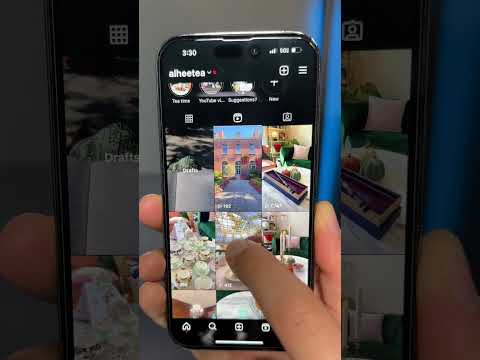
When you hit save on an Instagram video, you’re usually offered two choices: Original or Compressed. Grabbing the original video quality keeps the exact file as uploaded—full resolution and bitrate, which is perfect for editing or archiving. Compressed options shrink file size but lose crispness, especially in fast motion or dark scenes. Before downloading, check the video’s resolution display—if it says “HD,” original is worth it; if it’s a low-res Boomerang, compressed is fine. The process usually defaults to compressed to save bandwidth, but tap the quality label to switch. Keep in mind, original files eat up phone storage much faster than you’d expect. For a quick sequence:
Stick with original only when clarity matters, like reposting or making memes—otherwise, compressed keeps your gallery light.
When you need to save Instagram video content, a reliable saving tool must offer a clean, ad-light interface so you aren’t fighting pop-ups mid-download. Look for direct URL pasting that works on both Reels and regular posts, plus a visible format selector (MP4 vs. HD) before you commit. A solid tool also preserves the original caption or audio by default, and it should handle private-profile saves only if you’re logged in—never ask for your Instagram password. Finally, check for a batch download option for multiple videos at once, and ensure the tool updates quickly when Instagram changes its embed code. If a site stalls on one video or demands app installation, it’s not worth your time.

A reliable saving tool must handle Support for Reels, Stories, and Regular Feed Posts without forcing you to switch apps or copy awkward links. For Reels, the tool should grab the video in its original vertical format, including audio and captions, not a compressed preview. Stories demand a different approach: since they vanish after 24 hours, the saver needs to detect and download them instantly, preserving both photo and video variants with their overlays intact. Regular feed posts, meanwhile, require a simple tap-to-save for single images or carousels, ensuring the resolution stays untouched. Avoid tools that only work on one post type—test each format before committing. A robust saver treats all three equally, offering clear download buttons for every media type you encounter while scrolling.
Look for a tool that equally supports Reels, Stories, and feed posts in their native quality, with instant Story capture and full-resolution carousel downloads.
When evaluating tools to save Instagram video content efficiently, batch downloading is a non-negotiable feature for handling multiple clips in one session. Instead of opening each post individually, a reliable saver lets you select several videos from your feed, a specific profile, or a saved collection, then trigger a single download queue. This eliminates repetitive copy-paste steps and reduces the risk of missing a clip. Look for tools that preserve original resolution across the batch, maintain file naming order, and pause/resume the queue if a connection drops. A good batch function also auto-skips duplicates you’ve already saved, preventing storage clutter.
Batch downloading lets you select and save numerous Instagram clips at once, preserving order and quality while skipping duplicates—essential for bulk archiving without manual repetition.
When saving Instagram videos, the biggest fork in the road is no watermark vs. retained watermark. Expect that official in-app downloads keep the @username overlay, while third-party tools often strip it out for a clean look. If you’re reposting, a retained watermark gives free credit to the creator, which is great for ethics. No-watermark files are better for personal archives or editing into your own compilations. *The trade-off is that no-watermark downloads sometimes come in slightly lower resolution than the original reels.* Check the tool’s preview before saving.
To save Instagram videos on mobile, first copy the video’s link by tapping the three-dot menu and selecting “Copy Link.” Then, open a reliable downloader app or mobile site, paste the link, and hit download—choose your preferred quality before saving to your gallery. On desktop, right-click the video post to select “Inspect,” navigate to the “Network” tab, refresh the page, and filter for “media” files; locate the .mp4 URL, open it in a new tab, and press Ctrl+S to save. Alternatively, desktop users can paste the copied link into a web-based downloader for a faster, no-code method. Always verify the file plays correctly after transfer to your device’s storage.

For saving Instagram videos via browser shortcuts on iPhone and Android, start by opening the post in Safari or Chrome. Tap the share icon, then select “Request Desktop Site” to force the full web version. Next, play the video and use your device’s screen recording feature—available in the Control Center on iOS and quick settings on Android—to capture it. Alternatively, on Android, long-press the video and choose “Download” in some desktop-mode browsers. For iPhone, copy the video URL, paste it into a shortcut-based downloader, then run the shortcut to save directly to Photos. This method avoids app installations and keeps the process lightweight.
For a truly effortless method, open Instagram in your desktop browser and find the video you want to keep. Instead of fiddling with extensions or code, simply drag the video file directly from the browser window onto your desktop or a folder—it’s that easy. This drag-and-drop saving method works best when you’re already using the website, letting you bypass awkward mobile menus. Make sure the video is fully loaded before you click and hold it; otherwise, you’ll grab a link instead. Once you drop it, the file lands as an MP4, ready to watch offline. It’s arguably the most straightforward route for anyone already seated at a computer.
To save videos from a private account, you must first obtain explicit permission from the owner, as their content is not publicly accessible. For direct messages (DMs), you can only download a video you have received if the sender enabled the “Allow Saving” option; otherwise, the download is blocked by Instagram. For your own private account, save your videos before switching to public. For others’ private content, use a screen recorder as a fallback, since third-party downloader tools for private Instagram content require login credentials, which compromises your account security and violates platform terms. Always request the original file directly from the sender via chat for the safest outcome.
Private and DM video saving hinges on explicit sender permissions or manual screen capture; never share login details with third-party tools.
The most common pitfall when trying to save Instagram videos is copying the link from the mobile app’s share sheet, which often truncates the URL and causes the downloader to fail. Instead, use the “Copy Link” option within the post’s three-dot menu. If a download tool returns an error, the video is likely part of a Reel with audio restrictions, so switch to a different service that handles embedded audio. Another frequent issue is that the video fails to play after saving due to an incomplete download; always check the file size in your gallery. For private accounts, downloads will not work, and you must request access from the owner. Finally, if your browser’s downloader is blocked, clear your cache and disable any ad-blockers, as they interfere with the extraction script.
When a saved Instagram video refuses to play or delivers silent audio, the culprit is almost always a codec mismatch between the downloaded file and your device’s native player. Instagram serves videos in highly compressed formats (often H.264 video with AAC audio), but third-party downloaders may strip the audio track or save only the video stream due to parse errors. First, check the file extension—if it’s `.webm` or `.mkv`, your media player likely lacks the required decoder; rename it to `.mp4` only if the container truly matches. For no sound, verify the file’s audio bitrate via a tool like MediaInfo; if the track is missing, re-download using a reputable service that captures both streams. Always test playback in VLC (which bundles all codecs) before assuming the file is corrupt—container integrity often resolves these issues.
If the file won’t play or has no sound, the cause is a codec/container mismatch or a missing audio stream—fix it by re-downloading with a reliable tool and testing in VLC.
When a story vanishes before you save it, the saved link often breaks because Instagram purges expired content from its servers. Broken link recovery begins by checking if the story was archived to your own highlights, as only the original uploader can restore it. For third-party download tools, a deleted story yields no retrievable file—retrying the same URL worsens the issue. Immediately test the link in an incognito browser to distinguish temporary caching errors from permanent removal. If the story was merely expired, wait 24 hours and re-fetch the page source to see if the media URL regenerates. Never rely on shortened or shared links, since these often point to dead endpooints even when the original story still exists. Ultimately, the only fix is to save stories within their 24-hour window.
After saving several Instagram videos, your device’s storage can vanish quickly, so actively audit your gallery weekly. Delete the original clips from your camera roll once you’ve edited or shared them; keeping only the final version prevents duplicate bulk. Use a dedicated folder for saved reels and set it to auto-backup to a cloud service, then clear local files from that folder monthly. Compress older videos with a reliable converter, reducing file size by up to 60% without visible quality loss. Finally, check your “Recently Deleted” album and purge it, as those files still occupy valuable space until permanently removed. This routine ensures efficient storage space management after every batch of downloads.
« Battery Bet Your Frequently Asked Questions AnsweredCasinozer — guide complet »